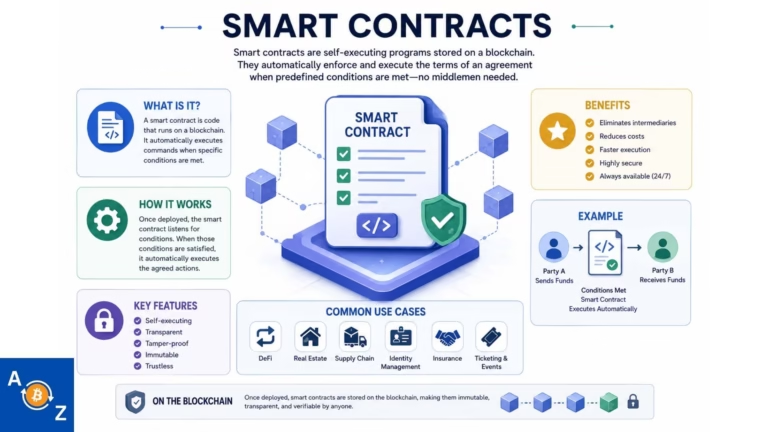
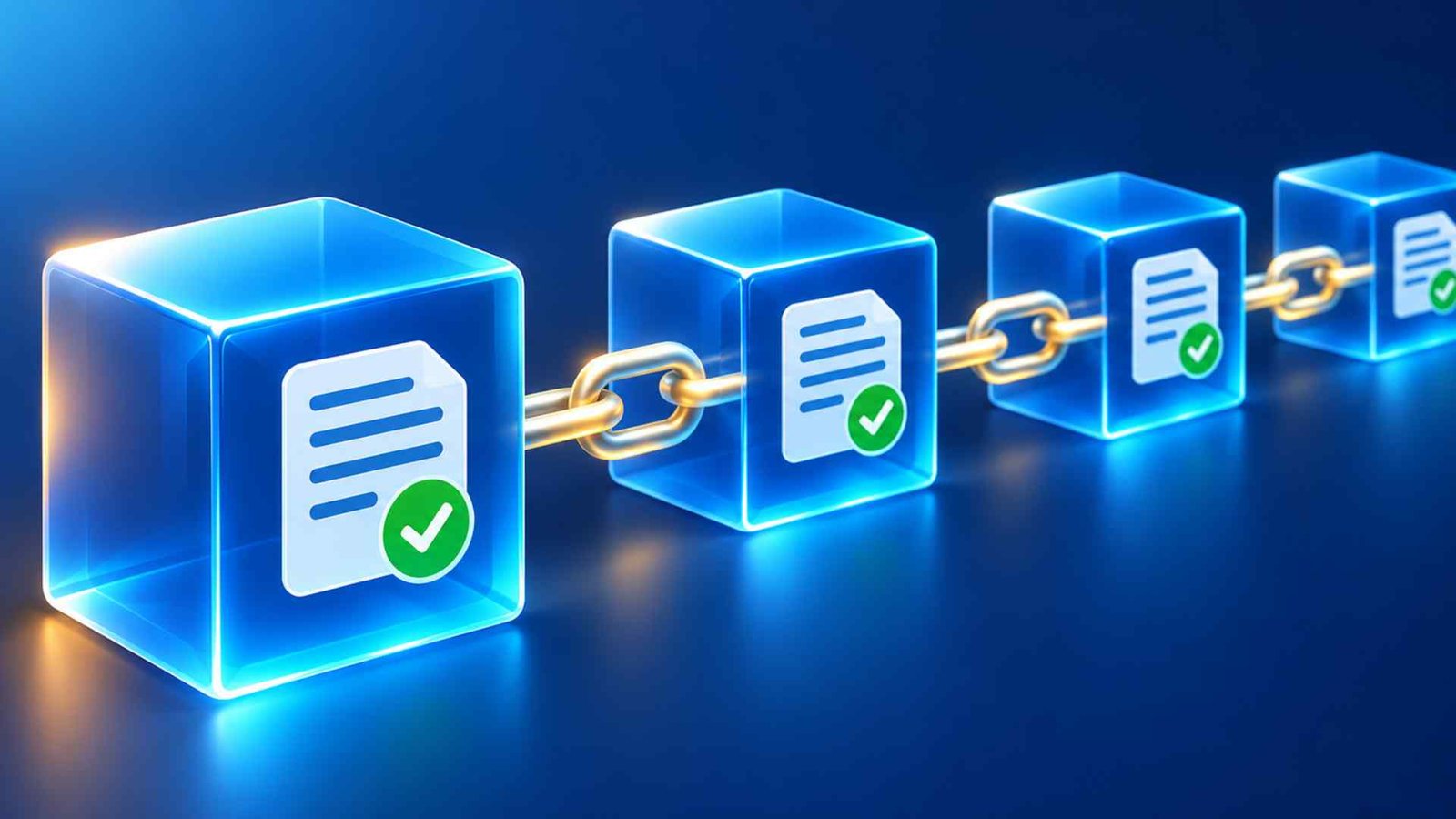

A blockchain is a digital book that keeps all records in a transparent manner so that all its transactions remain trustable and reliable. It needs no middle person or a centralized controller like other payment systems, banks, and financial institutions.
How does it work?
A blockchain is basically a chain made of a series of blocks. Each block contains several transaction records. When summarised, they give you the funds balance of each address (which is similar to a bank account).
A blockchain address is a place where users keeps their cryptocurrencies. Each address has a public key, similar to a bank account number, and a private key which functions as a account password.
A blockchain transaction works by multiple public verification by network participants called miners through a mathematical function which removes any possibility of a false transaction. In return, these network participants, called miners or validators, receive some fee.
Blockchain Wallet
A blockchain wallet basically holds your private keys (think it as your blockchain address password) so that no one can use it without authorization, not even if you computer or phone gets compromised.
There are 2 basic types of blockchain wallets, hot wallet and cold wallet.
A hot wallet is a software that holds your private keys is a secure way to prevent unauthorised usage. They can be installed in computers, laptops, phones, tablets, and even
A cold wallet is a software embedded in a hardware device which takes your keys offline when not in use. Since it has its own independent device
Blockchain Security
Blockchains are secured by multiple layers of security such as consensus mechanism, hashing algorithms, encryption protocols, and others.
Consensus Mechanism
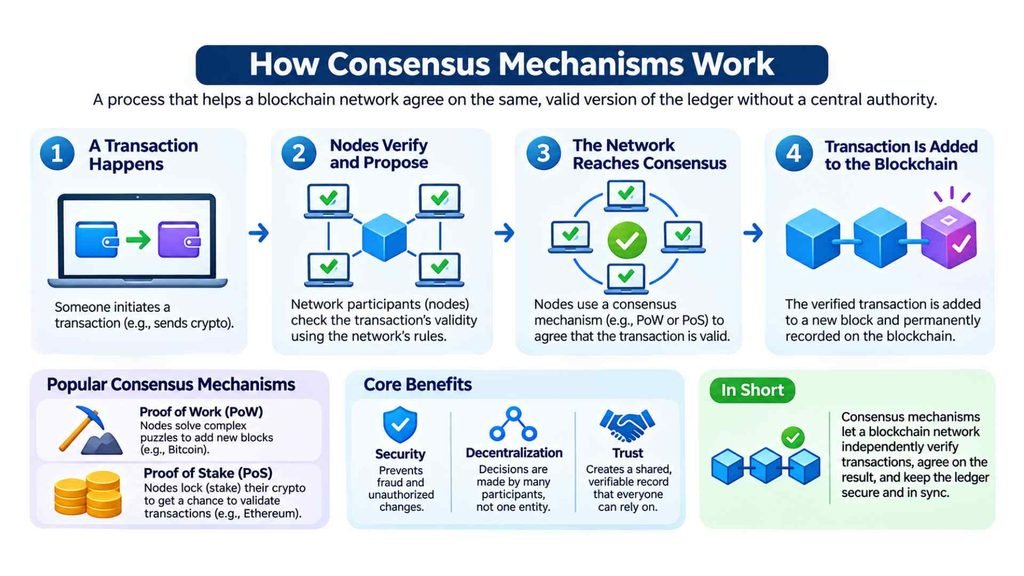
This is a method through which the blockchain network (miners/validators) decides whether a transaction is valid or not. This is done through many ways such as Proof of Work, Proof of Stake, Proof of Authority, etc. Let us explain the major ones.
- Proof of Work (PoW) verifies transactions by making miners(transaction verifiers are called Miners in PoW) solve complex mathematical functions to derive a value called Nonce. All miners must obtain the same Nonce Value for the transaction to be valid. Example: Bitcoin
- Proof of Stake (PoS) works by verifying transactions by validators (transaction verifiers) only after validators stake some crypto as a collateral (which is a promise of good behavior). Example: Ethereum
- Proof of Authority (PoA) works by allocating transactions only to those who have been designated officially as verifiers (not open to everyone). Example: BNB Smart Chain
In all consensus mechanisms, the common part is that everyone must agree (at least those who verify transactions) for a transaction to be valid, which is the essential meaning of consensus.
Hashing Algorithms
Public keys on blockchains are visible to everyone who uses a blockchain explorer. Since public keys are generated from the private keys, anyone who can reverse the process can get both your keys and steal your funds.
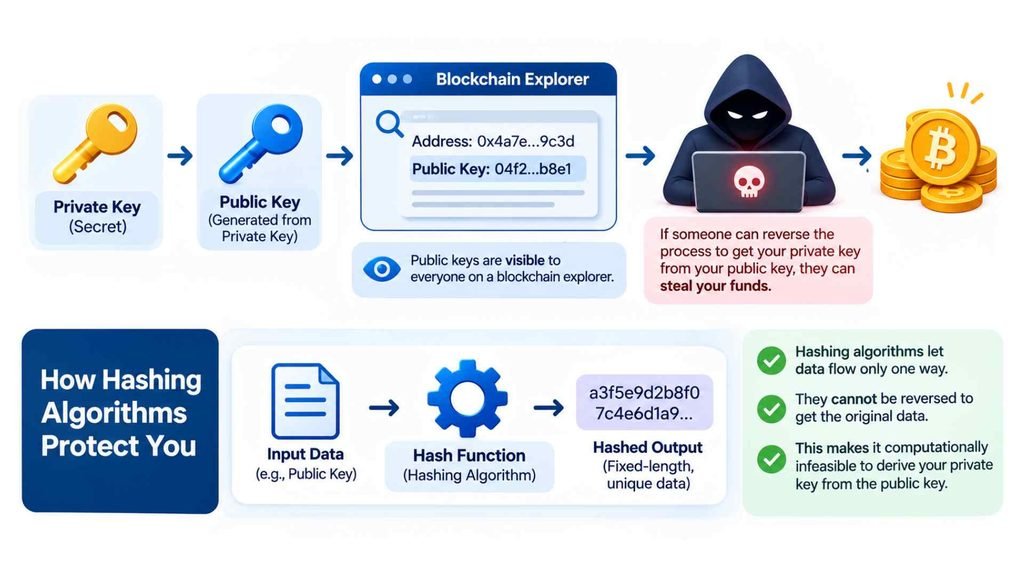
Therefore, there are algorithms in which data flows only one way. They cannot be reversed to get the initial data from the final data. These algorithms are called Hashing Algorithms or Hash Functions.
Encryption
Every blockchain encrypts the way a transaction is signed, some use ECDSA while others use quantum resistant ones like FALCON. These encryptions ensure that every transaction is signed only by the rightful owner of the blockchain address, not a random hacker.
Frequently Asked Questions
1.
DISCLAIMER: All information presented on A2Z Cryptocurrencies (https://a2zcryptocurrencies.com) is purely for informational and educational purposes and does not amount to financial advice in any way. Please consult a financial advisor before investing.